

Santa Fe light and the state flower combine to radiate energy and light…see more>>>

© Douglas Barkey, 2012
….lots of people traveling together, but separate…in their own worlds. See more…

© Douglas Barkey
A tree falls over a mountain stream. The violence and cracks like shots last for seconds. Then the silence of running water. For years the water strips away bark and leaves, polishing and burnishing the wood to a pale gray finish…and eventually dissolving the wood away and downstream. See more…..
Photography of nature is a popular past time for many. Although it isn’t necessarily easy to pull off nature photography well, it is a pretty easily accessible subject, often spectacular, and doesn’t talk back. There are no modeling fees involved, expensive studio lights, or even expensive cameras. Even HDR (High Dynamic Range) exposures once the domain of the technical elite are now available instantaneously (no tripod required) on the latest Iphone. And because people tend to look at the recognizable subject of the nature image and ascribe only the meaning of that object, it’s an easy win. A mountain is a mountain, a tree is a tree, a river is a river, right? It’s just that some people apply the magic of HDR to tweak the cliché in a spectacular way to a chorus of oohs and ahhs….and create a romantic fantasy of nature with incredible tonal range and saturated intense colors. The images are spectacular and trigger an affirmative response.
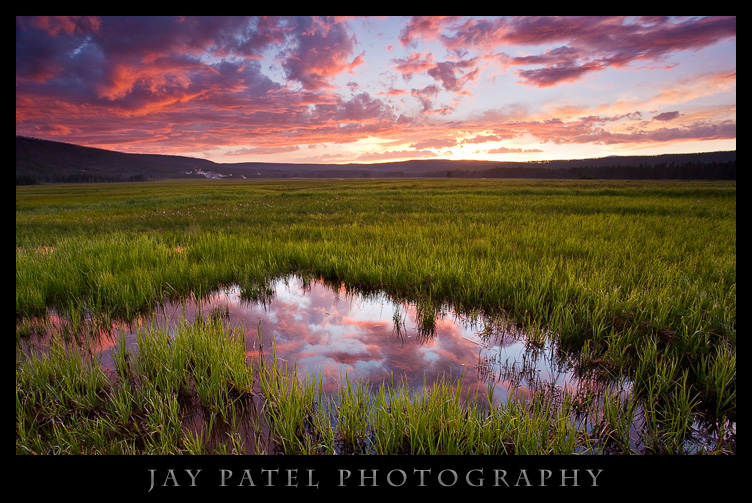
(Patel, 2012)
I think of exposure as a tool of expression. Trying to represent an almost limitless range of tones from the darkest shadows to the brightest highlights limits the photographer’s range of expression through exposure. Nature is presented with a monocular vision – all the images look the same.

Caribbean Sunset IV by Elizabeth Carmel (Carmel, 2011)
The purpose of the zone exposure system, once popular for exposing film, is to help a photographer choose a priority – a value to emphasize – at the time of exposure. In order to know what should be emphasized, the photographer needs to have a concept in mind.
There really is no such thing as a good or a bad exposure in and of itself. The question really is, does the exposure help convey the photographer’s concept? Without a concept, exposure is meaningless.
This brings us to the question of what is the concept behind the HDR landscape photographs that seem to proliferate the Internet? That is an answer that we should be able to find in the images themselves. What can we observe in the images? The images seem to follow a certain formula: many seem to be taken at sunrise or sunset when the contrast of light and color is quite intense, they images are captured with a wide-angle lens and small aperture so depth of field goes from a foot to infinity, the foreground objects have a strong linear draw to a light in the distance, and most importantly there is a level of cleanliness and purity that seems to wash over any potentially extraneous detail. Humans or human elements are only included as props (hikers, windows, old buildings) to frame nature. Jay Patel describes their approach to photographing a dune landscape: “When we shoot the dunes, we avoid the areas that are frequented by most tourists. We don’t want footprints in our photographs – so the biggest dunes don’t get much attention from us.”
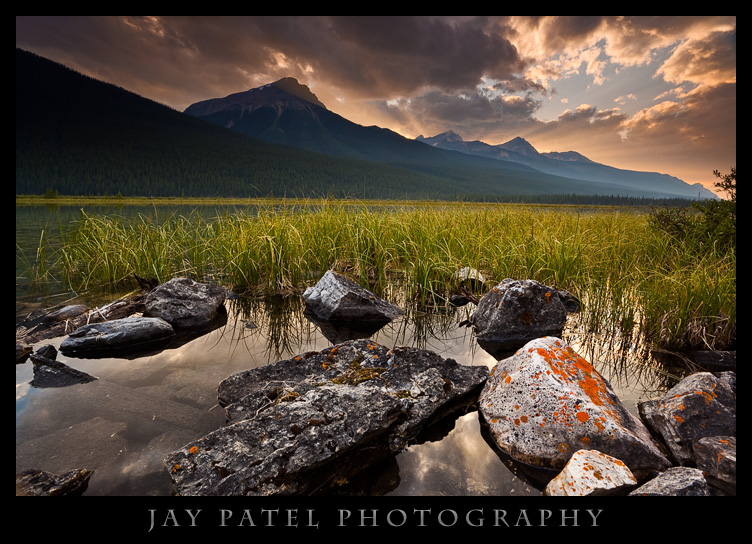
(Patel, 2011)
It is clear in many cases, that in addition to applying an HDR exposure, that segments of the image are manipulated further in postproduction to emphasize color saturation, often with other-worldly results. Despite a setting sun and near dusk conditions elements of the foreground appear in bright saturated coloration and detail. Some photographers even take multiple images with different focus points and then blend the images together in Photoshop for the ultimate range of deep depth of field.

by DiFruscia Photography
These images depict nature as a sublime cliché; an idealized version of wilderness using very selective viewpoints constructed through multiple exposures and post-production work. There is nothing inherently wrong with these photographs, unless you think they actually document nature. They are what they are and have a following from people who want to believe in a vision of an idealized pristine nature. What these images do not have is a concept that drives them, rather they are shaped by a process of combining dramatic elements of nature to portray beauty. There is nothing more to be revealed past that point.
I have had so many students announce that their class project will be to depict a pristine and pure nature, untouched by human hands. I always ask them what time period in nature do they want to show…untouched today?..as it was 100 years ago?…1000 years ago?…and if they are standing there making the photograph how is nature untouched by humans? What they really want to create in their photograph is a romantic ideal of a utopian vision of nature – a fantasy they they will have to construct in some way.
There are other photographers who use nature as a way of expressing a concept or communicating a meaning that transcends the actual subject. One example of landscape photography that is concept-driven is the work of George DeWolfe.

White Rock (DeWolfe, 2011)
He applies exposure, design, and framing for a very specific purpose:
“Contemplative Photography proceeds from the correct perception of reality to the clear expression of it. It is different from other types of photography in that it demands nothing from us and nothing from the object. It is an expression of the pure visual nature of reality as it unfolds in front of us in the moment. Learning Contemplative Photography requires that we tear down the conceptual edifice that was unknowingly created from infancy by our culture and reconstruct a new one: a mind that is calm and a vision that is aware.” – DeWolfe

(DeWolfe, 2011)
A student of Minor White, George DeWolfe makes images that use nature, but are not attempting to depict the sublime even though they many times exclude human impact. His intention is to create objects of contemplation by using nature combined with the photographic choices he makes at the moment of exposure and in processing.
Chris Jordan is photographer who uses nature, or references nature, to provoke his audience to consider the impact of consumerism. His photograph “Paper Bags” looks like a birch forest, but when you look close up, you realize that it is comprised of stacks of 1.4 million paper bags; the number of bags consumed in the U.S. per hour. An image that appears to be a pristine view of mountains and river, “Denali Denial“, is actually made of up the automobile logos. (Jordan, 2006, 2007)
Making photographs of nature is complex; our viewpoints come with a lot of baggage – stereotypes that we have absorbed from childhood and ideals of beauty. A photographer should recognize and understand their point of view and how it relates to their approach to nature. Photographers can apply the language of photography – exposure, frame, movement, focus, and depth of field – with a purpose that transcends the subject or moment in time.
References
Carmel, E. (2011). Caribbean Sunset IV. 2012, from http://www.elizabethcarmel.com/PhotoDetails.asp?ShowDESC=N&ProductCode=CARIB108
DeWolfe, G. (2011). Contemplative Photography. 2012, from http://www.georgedewolfe.com/contemplative.html
Jordan, C. (2006). Denali Denial. Running the Numbers: An American Self-Portrait, 2012, from http://chrisjordan.com/gallery/rtn/#denali-denial
Jordan, C. (2007). Paper Bags. Running the Numbers: An American Self-portrait, 2012, from http://chrisjordan.com/gallery/rtn/#paper-bags
Patel, J. (2011). Beauty Creek, Jasper National Park, Alberta, Canada. 2012, from http://www.jaypatelphotography.com/wp-content/gallery/light-and-color/img_1092.jpg
Patel, J. (2012). Yellowstone National Park, Wyoming (WY), USA. 2012, from http://www.jaypatelphotography.com/wp-content/gallery/light-and-color/img_1703.jpg

© Douglas Barkey, 2012
…something I’m trying out…merging two realities inside one moment.

The topic that interests me in these photographs is the intersection between nature and industry; the seeming chaos of industrial construction as it spills across sedate fields of corn and sunflowers to eventually become a ribbon of concrete and steel that millions will ride to their destination. There is an edge to these types of locations where organic life seems superflous, but somehow remains steadfast and will most likely persist after the concrete has crumbled and the steel has rusted away. See more…
© All photographs Douglas Barkey, 2011

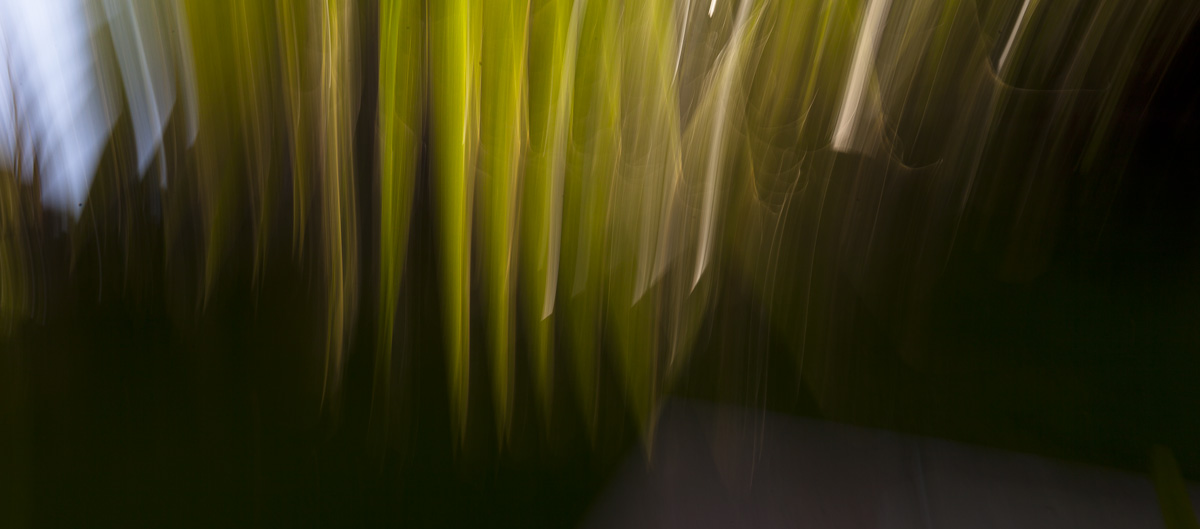


© All Images Douglas Barkey 2012
Photojournalists face the daunting challenge of capturing newsworthy moments, often in dangerous situations, in a manner that communicates the essence of the event or issue. In addition to delivering substance (the news content), they must also use design, lighting, exposure, and composition to communicate meaning. Tragically, some photographers lost their lives this year as they worked to bring us the images we see published.
Newspapers and magazines are full of photographs that only present us with the surface of the news, but each year there are exceptional images that transcend the moment and have more universal meaning. The New York Times 2011 Year in Pictures has many exceptional images that simultaneously capture news and use the language of photography to communicate. I have selected a few to review.

By Moises Saman for the New York Times
This image of Tunisian protesters uses design and composition as key factors to convey the energy and forcefulness of the protests. The colors are sparse and simply distributed between the red banners, the dark clothing, and the white building placing the visual emphasis on the individuals. The photographer captures the image from a low angle that frames the men leaning out at an angle with their fists raised; this provides a powerful visual thrust on a diagonal that intersects the diagonal line of the building architecture. The intersecting diagonals create an “X” shape that unites a dynamic composition, but also serves as an analogy for a crossroads, which in effect is what was happening in Tunisia at the time. The country was at a crossroads in the process of determining which political direction to set off on.
The side lighting picks out the expressions of several men from the group, which helps to individualize the image. In the bottom right corner a protester stares candidly at the camera, and by extension, the audience for the image. Although the face in the corner is a small part of the image and can almost go unnoticed, since the majority of the visual energy leads away, it plays an important role in the meaning of the image. Tthe gaze of this man engages the audience and as if asking us a question – are we behind them or not?
Moises Sampan succeeded in capturing a newsworthy and significant moment that also represented the state of the country and the power of protest.
The following two images contrast grace, innocence, and femininity with the scars of war to convey the disruption of human conflict.

By Moises Saman for the New York Times

by Tyler Hicks for The New York Times
Moises Saman and Tyler Hicks captured situations from the conflict in Libya that speak to larger issues of family bonds and the violent residue of war. Saman captured the graceful gesture of a young girl, dressed simply in a red sweater and white scarf, gazing down, in front of a bullet riddled wall. Somehow the lantern above her head survived the attack unscathed. The beauty of the child, her demure gesture and downward gaze are in stark contrast to the dark pockmarks in the wall that surround her. The small scale of the girl in relation to the wall is an important part of the design of the image, as are the contrasting colors and lantern. The visual relationship between the lamp and the girl help anchor the image through the swirl of bullet holes. The child paired with the lamp is a symbol of hope for the future.
There is a similar contrast between harsh reality and beauty in the image by Tyler Hicks of a daughter, weeping, and leaning on her father as he prepares to put her on an evacuation ship. The father is rough-hewn in a military coat, unshaven, with a rifle across his chest and an expression of determination; we only are shown a partial view of his face. The gray, soft wool of the daughter’s sweater as she holds on to her father’s shoulder is in sharp relief to the metal of the gun barrel and the military uniform. The diagonal of her body is in parallel to the rifle – she represents life and caring, the rifle, violence and death. We do not know the history of the man or what side he is on, but it does not matter. What Hicks conveys so adeptly through design and a captured moment is a glimpse into the family intimacy surrounded by the chaos of war.

By Ed Hou for The New York Times
In this image of Egyptian youth gathered around computers, Ed Hou, documented the use of social media and the Internet in the uprising, but he also used exposure, lighting, and composition to convey the intensity and festiveness of youthful hope. The image is actually quite chaotic – nine people are pictured, each gazing in different directions and involved in different activities, the table is scatted with coffee cups, soda cans, cameras, and even a roll of toilet paper. But what locks down the composition is the young man in the center, illuminated by the intense blue light of the MacBook computer screen at which he is staring as if in a trance. In contrast, the rest of the people are smiling, talking, smoking….socializing – he appears to be alone in his thoughts. By using the contrast between the warm color temperature of tungsten light coming from above and the cool temperature of the LCD panel angled from below, Ou, guides the viewers eye directly to the focal point of the image. The rest of the people are visible, but they are in shadows. The image puts social media in the context of a social gathering and uses the light from the technology itself as an analogy for lighting the way forward.
A similar theme is sounded by Linsey Addario, in which a PDA stands out like a beacon of light in an evening gathering of women; the photographer connects the social media device to an actual social event.

By Linsey Addario for The New York Times
There are many outstanding examples of combining content and composition in the New York Times 2011 Year in Pictures. Some images from the New York Times review only work with surface stereotypes as a way of summarizing events. Others, such as the examples above, go beyond the moment itself to represent a humanly significant moment in a way that prompts reflection and understanding.


 Fotonotes

